When you make purchases through links on this site, The Track Ahead may earn an affiliate commission. Also, these posts are based off my own experiences. I am not responsible for any action you take as a result of reading this. Learn More
If you’ve ever wanted to know how to perform a waterless wash on your car, I will go into detail on how to do so in this tutorial. I also will explain what a waterless car wash is, and why you may want to (or not want to) do one on your car. Depending on your situation, it can sometimes be a lot more convenient to do a waterless wash; plus, it saves on water costs. The downside is that it’s not great for cars that are extremely dirty.
What is a Waterless Car Wash?
First, what exactly is a waterless car wash? The name sounds strange because it sounds like you’re washing your car without any water at all. In fact, you are still using water, but you’re just not using water from a hose or from a bucket. A waterless car wash involves spraying water from a spray bottle or a pump sprayer. So you do still use water, but you’re using much less than if you were to use all that water with a hose or bucket.
In this spray bottle of water, you would add a waterless wash product. This waterless wash product is like a car wash soap, but it is usually more lubricidous and helps to pull dirty particles off your car. The most popular waterless wash product is Optimum No-Rinse (also known as ONR for short). However, there are more waterless wash products out there that will do the same thing now.
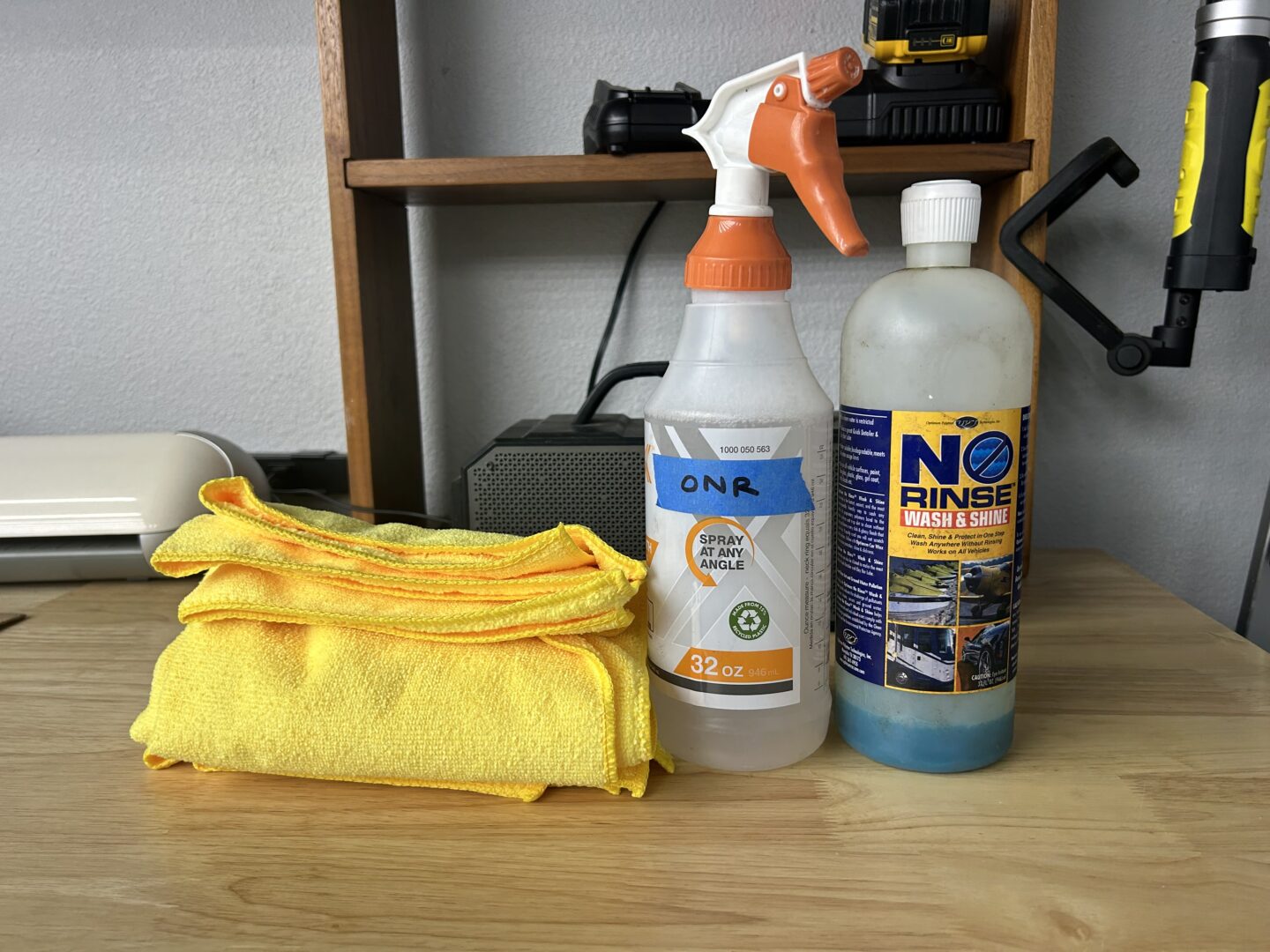
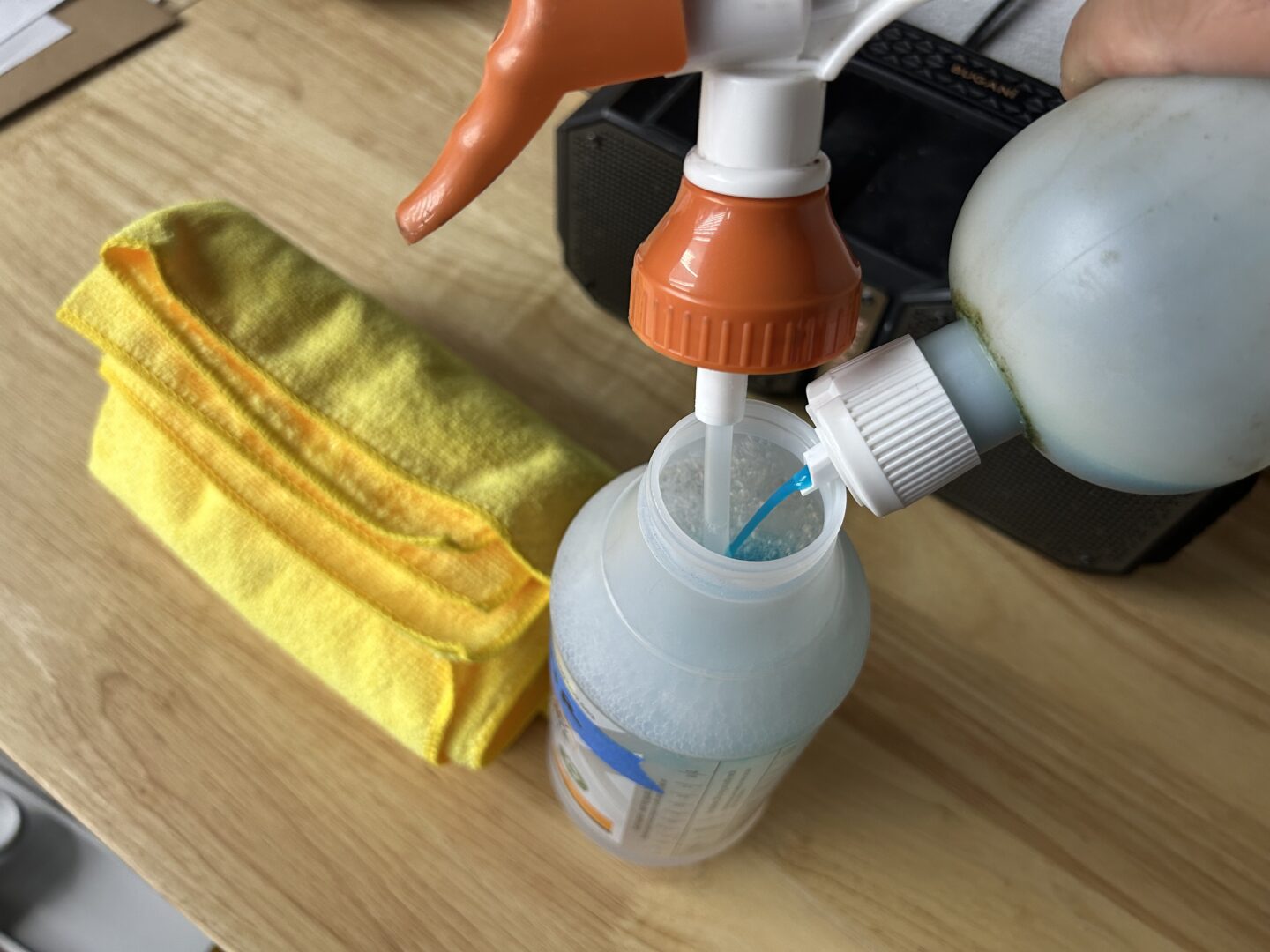
The process of waterless washing your car is as follows: you spray this waterless wash solution onto a section of your car, you then take a section of your microfiber towel and wipe along the car, effectively pulling off the dirty stuff off your car and onto your microfiber towel. You take a clean section of your same towel and wipe the next part of the car, and so on.
Once you’re ready to do the next section of your car, you spray on the waterless wash again and then continue wiping with new sections of your towel. You will need multiple microfiber towels as you you want to continue using clean sections of the towel, which you will eventually run out of on each towel. You keep doing this until you’ve wiped down your entire vehicle.
Why Waterless Wash Your Car?
Waterless washing your car obviously conserves water, but that is typically not the reason people wash their cars this way. If you don’t have access to running water or a hose (e.g. your car is parked in an apartment parking garage), then all you need with you is a spray bottle of waterless wash and a several microfiber towels to wash your car.
Another reason for this method of car washing is that if you waterless wash your car regularly, you can still get it quite clean and it’s a lot easier to do than to break out the buckets, grit guards, wash mitts, etc. during a full car wash. You also don’t have to worry about pre-rinsing, scrubbing, rinsing, and drying. Waterless washing your car involves spraying on and wiping off– that’s it.
Waterless washing your car is even more attractive if your car is parked in your garage and only gets mildly dusty/dirty. You can easily wipe your car down with waterless wash and it will clean it really well since you don’t need to clean so much dirt and grime off your car. It’s easy, and you don’t make a big mess outside with all the water and car wash gear.
Washing your car the traditional way however, will always result in your car looking better overall. You really are doing a lot more work and using a lot more water to achieve this level of cleanliness. Doing a waterless wash will usually be more of a maintainance kind of wash that would require a shorter interval between washes to be effective. Nothing beats the convenience and portability of doing a waterless car wash on your car.
Materials Needed
Waterless Wash: 3D Waterless Wash / Optimum No-Rinse
Spray Bottle or Pump Sprayer
Microfiber Towels
How to Waterless Wash Your Car
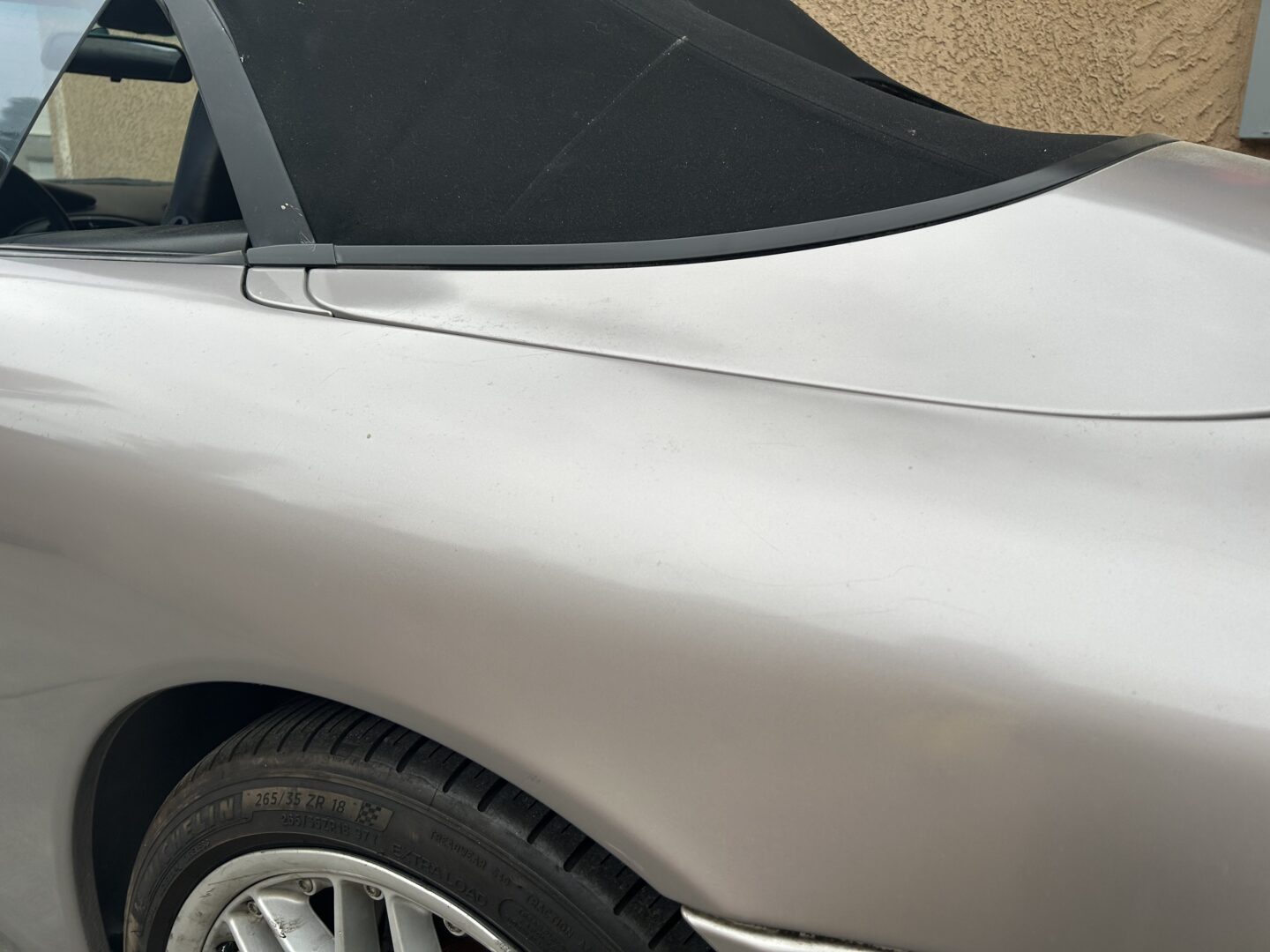
Here is a before shot of my Porsche 911 that I just picked up, which hasn’t been washed in a while. I wanted to do a car wash, but honestly it’s a bit of a pain to get the car out to the front of my house to wash it since I’m currently working on it in the backyard. I brought out my trusty Optimum No Rinse (ONR) solution in a spray bottle and some microfiber towels to perform a waterless car wash before I covered it with a car cover.
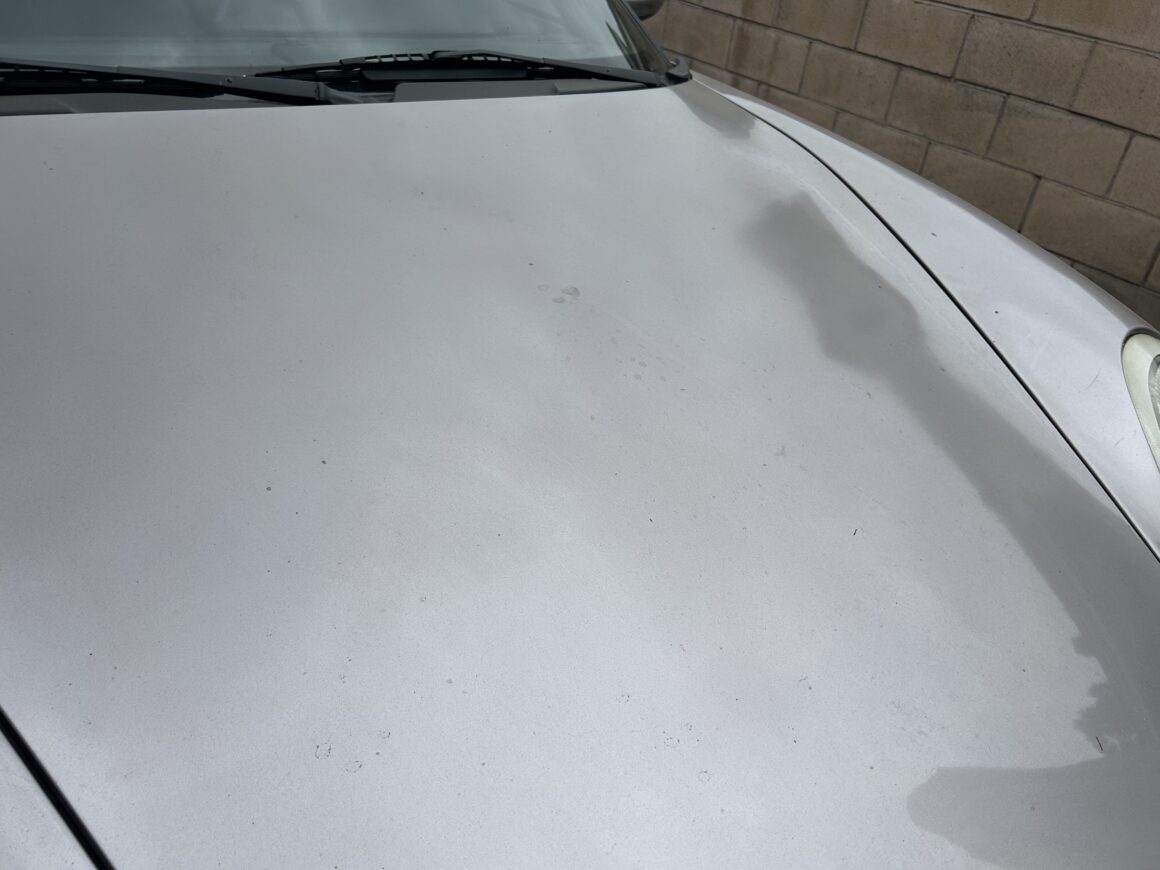
As I’ve mentioned earlier in this post, a very dirty car isn’t the best candidate for a waterless wash. My Porsche was actually pretty dirty, so I wouldn’t normally do a waterless wash on such a dirty vehicle. However, I did a waterless wash out of convenience in this case and it worked for the purposes of this demonstration.
First thing to do is to mix/dilute the waterless wash solution to the dilution ratio given by the manufacturer. For ONR, it is a dilution ratio of 1:128 of ONR-to-water. Other waterless wash products like the one from 3D is ready to use straight out of the bottle Whichever you use, follow the instructions on the package.
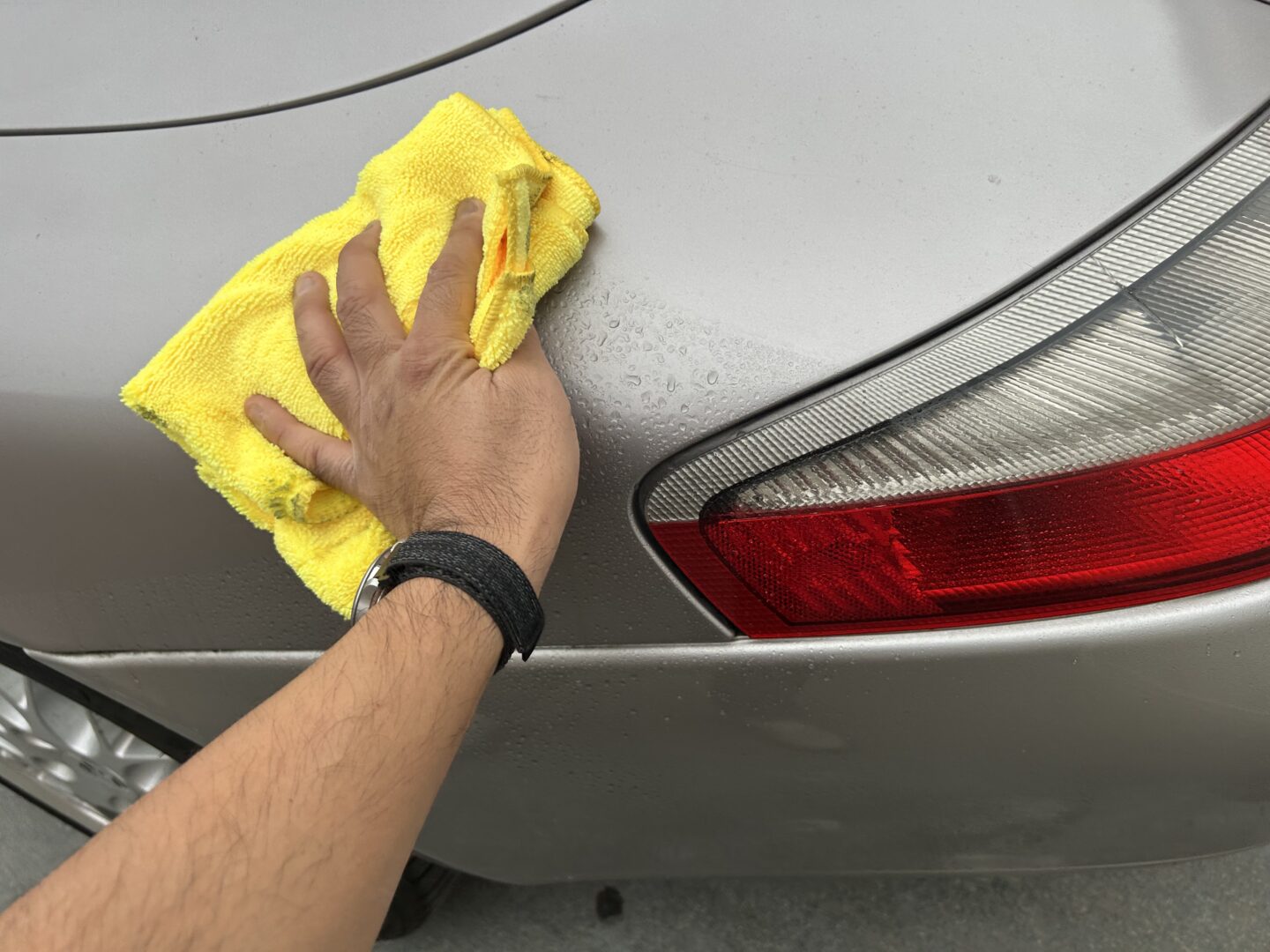
Thoroughly spray a section on a panel with the waterless wash solution. Fold your microfiber towel so that it has a good area about the size of your hand or larger. Use this section of towel and wipe along the panel—as you wipe, pull the towel towards you so that you are doing a scooping motion. This essentially pulls dirty material from the car up and way from the car onto the towel. Keep doing this motion during your wipes so that you aren’t wiping this dirty material back onto the car again.
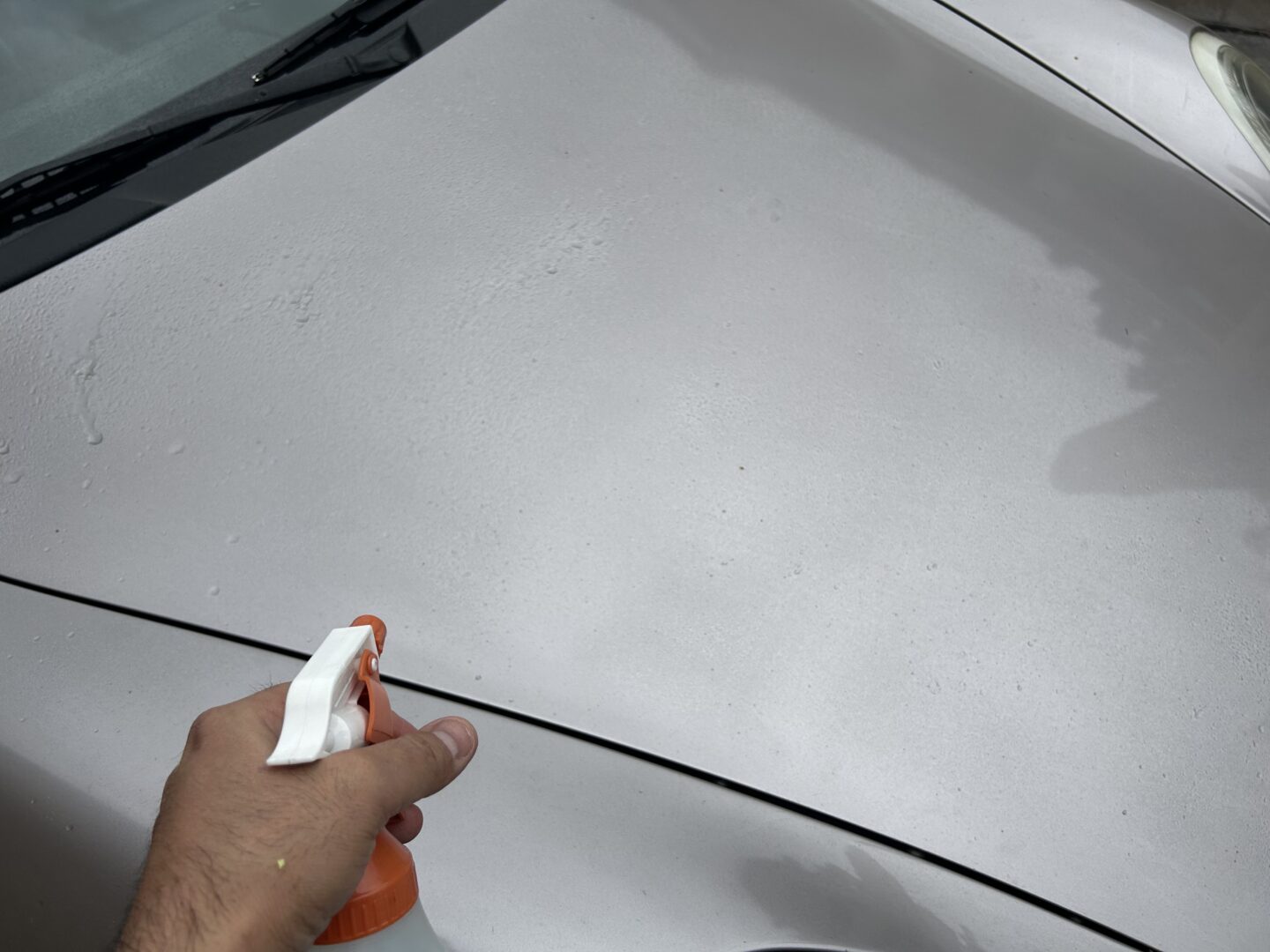
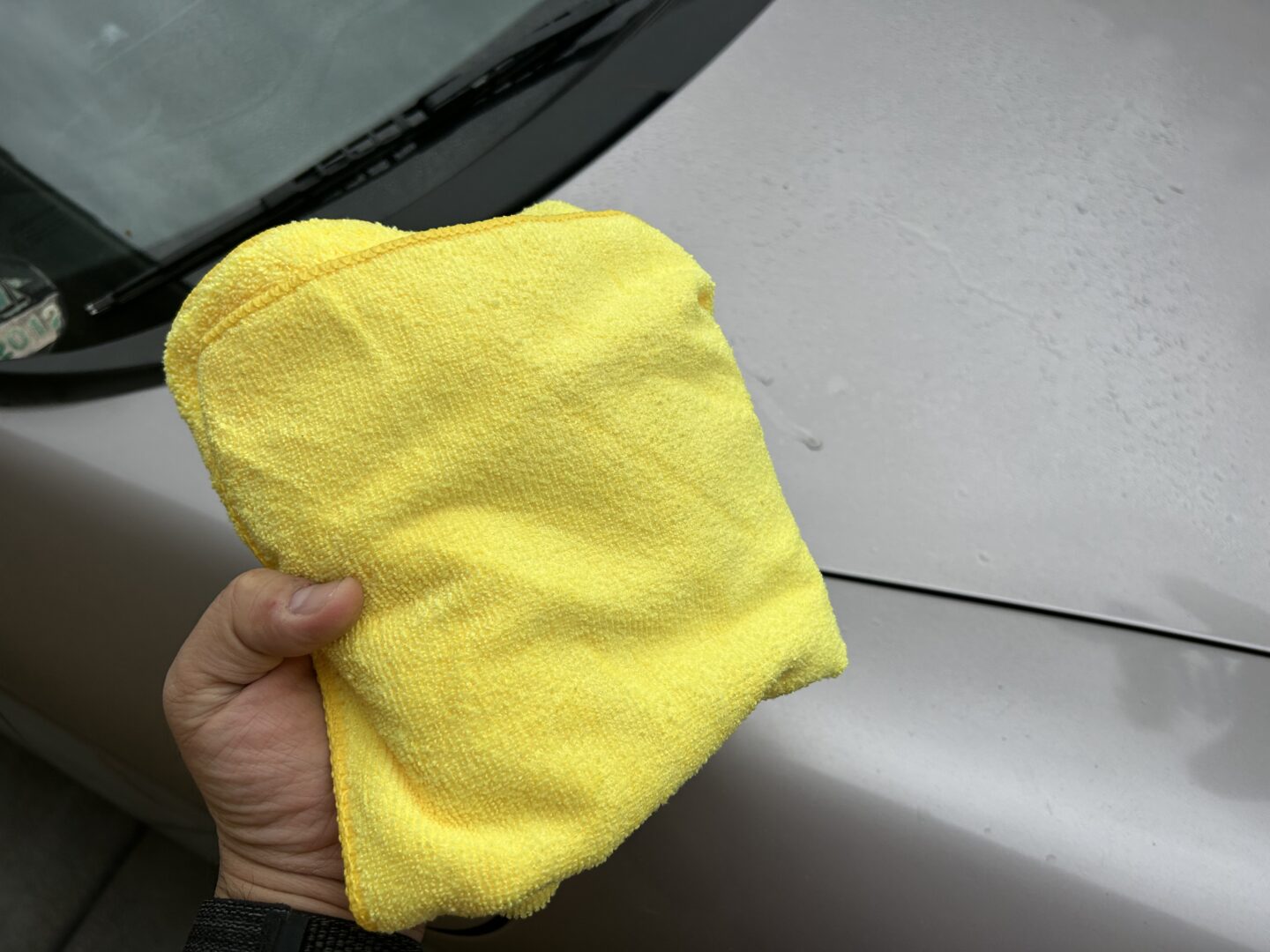
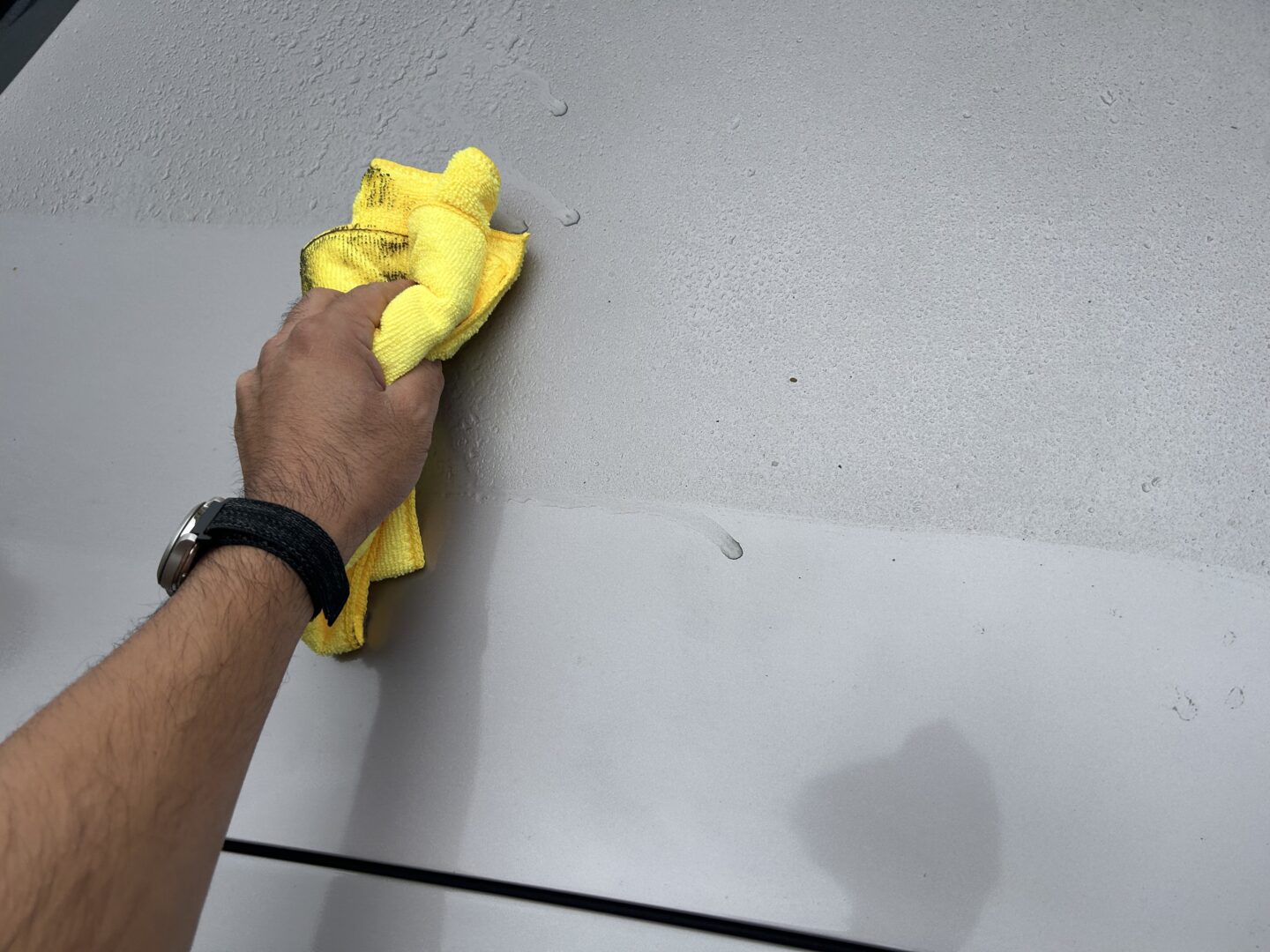
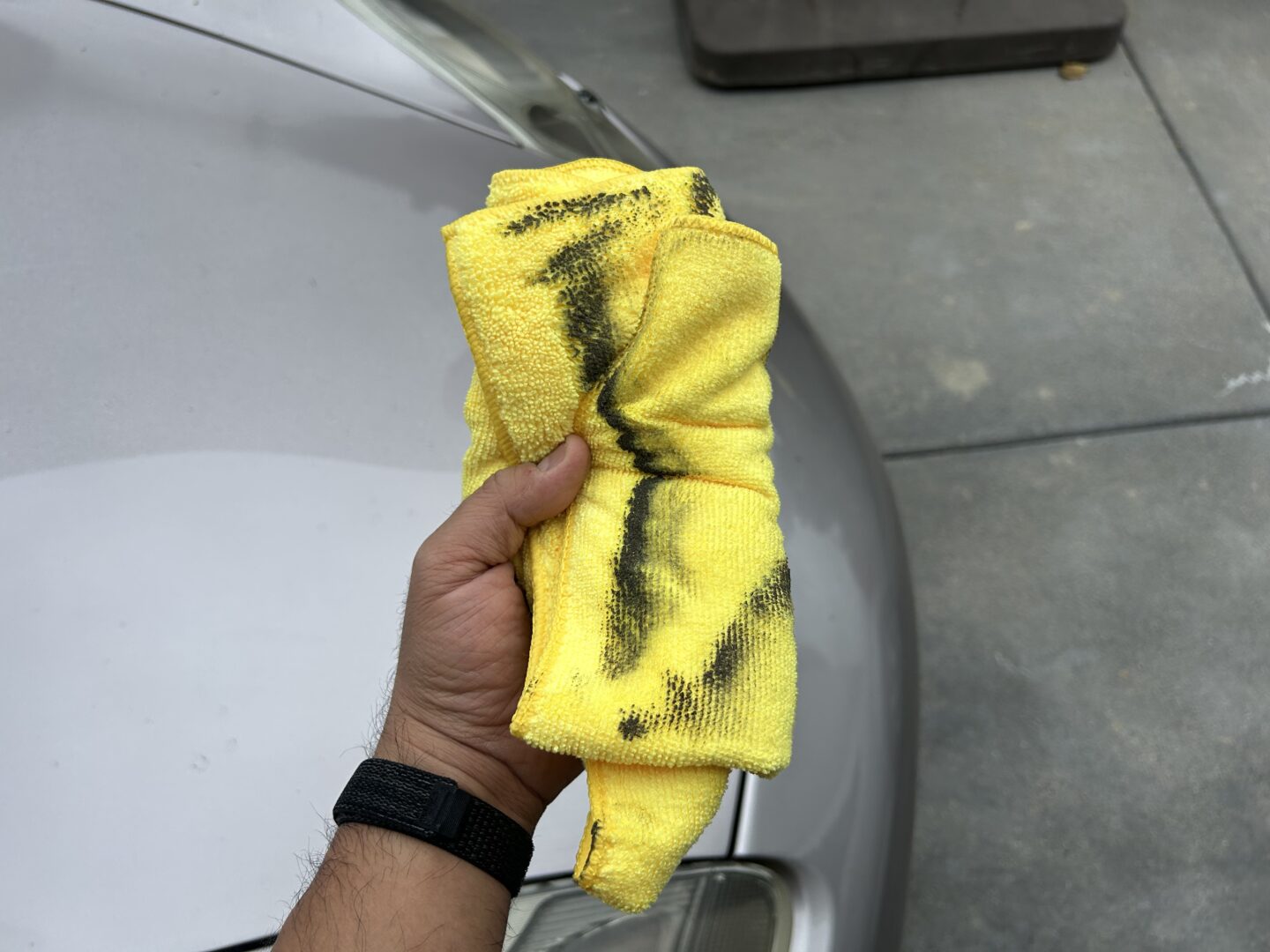
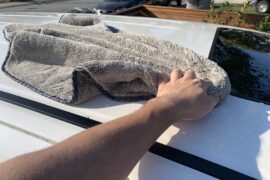
As you can see, the stuff that you pull off your dirty vehicle is visible on the towel. Continue using new sections of the towel onto each section that you wipe. I normally fold a 12×24 microfiber towel two times, giving me 8-10 new sections of the towel to wipe with.
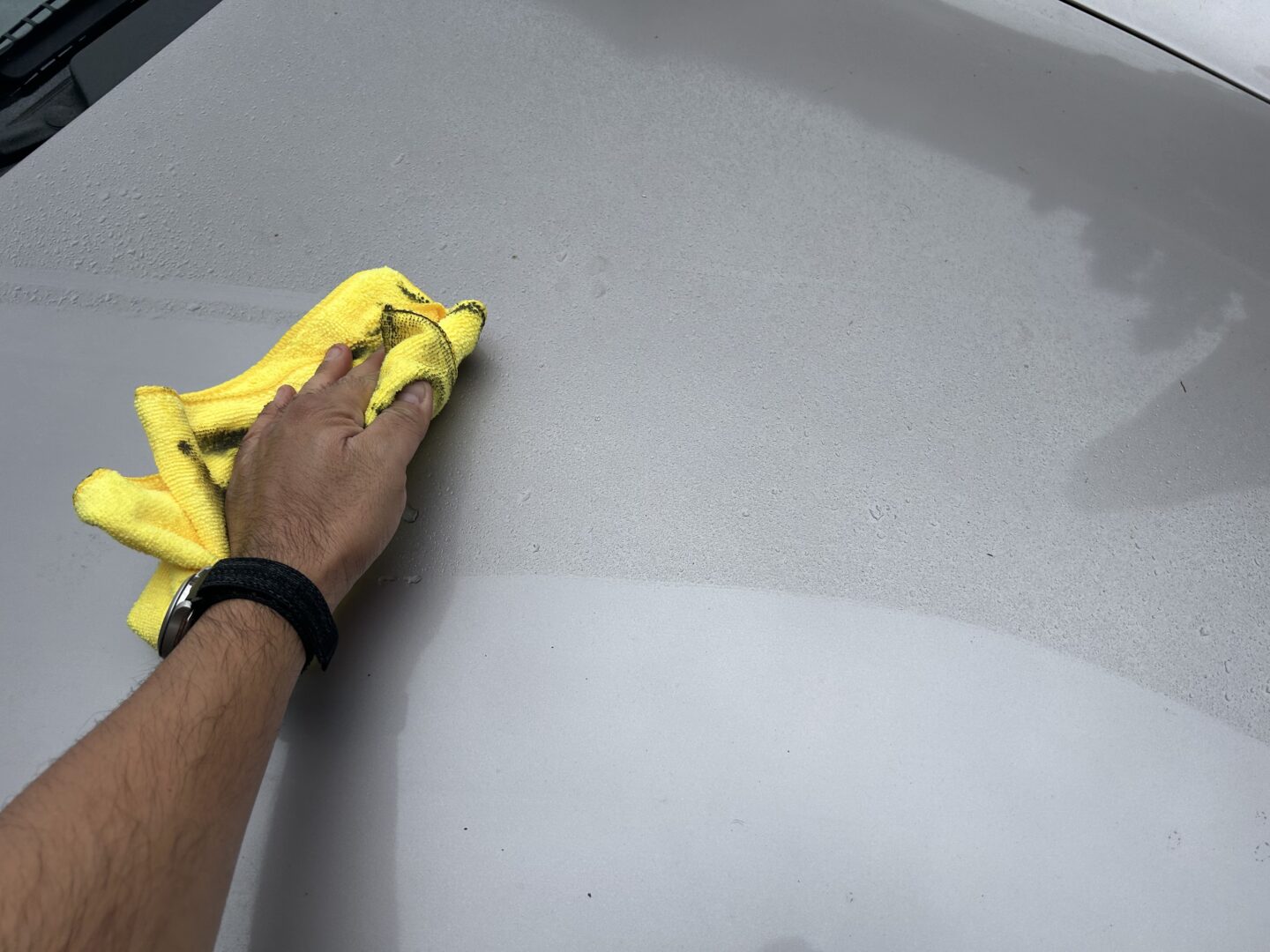
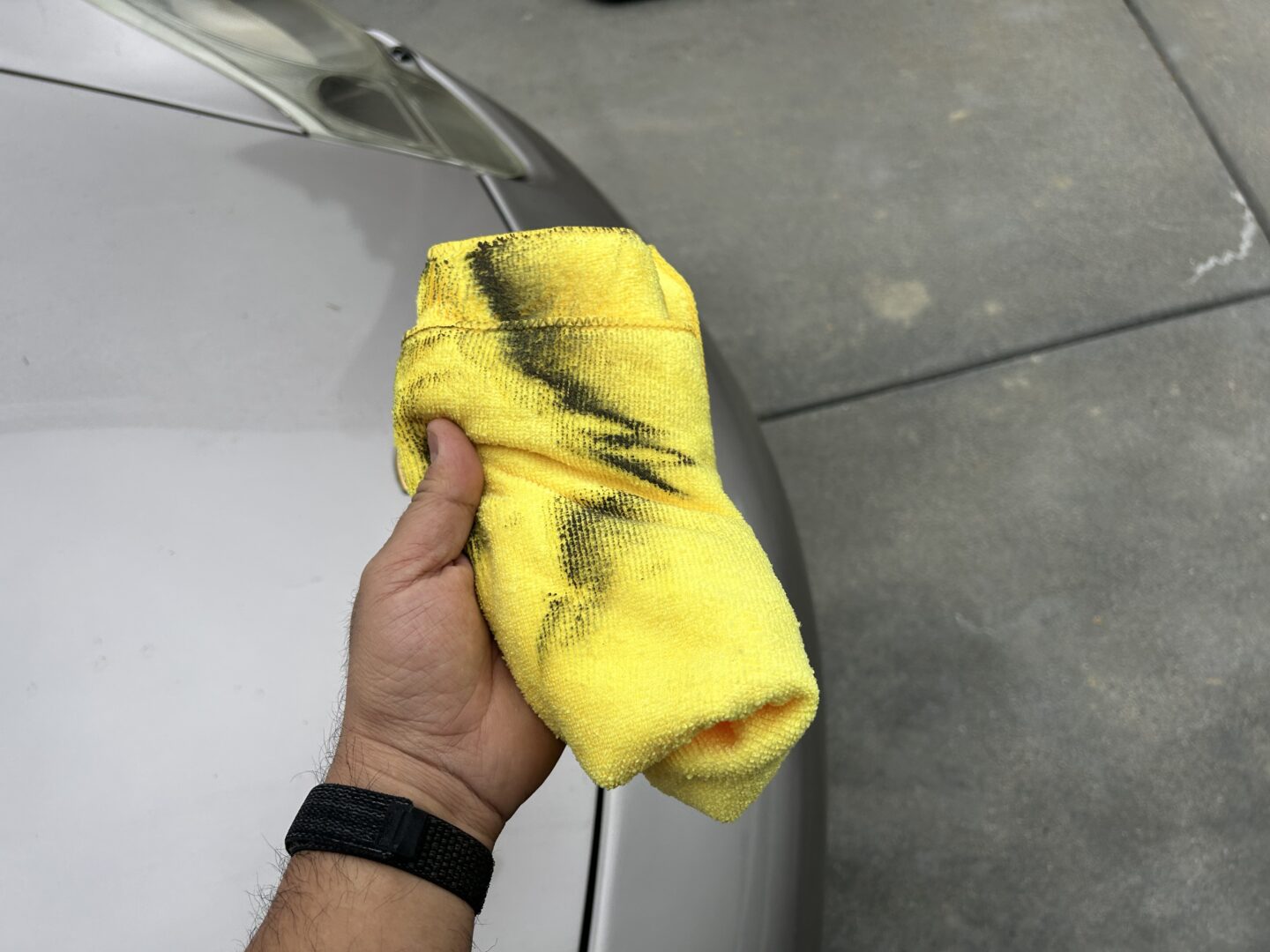
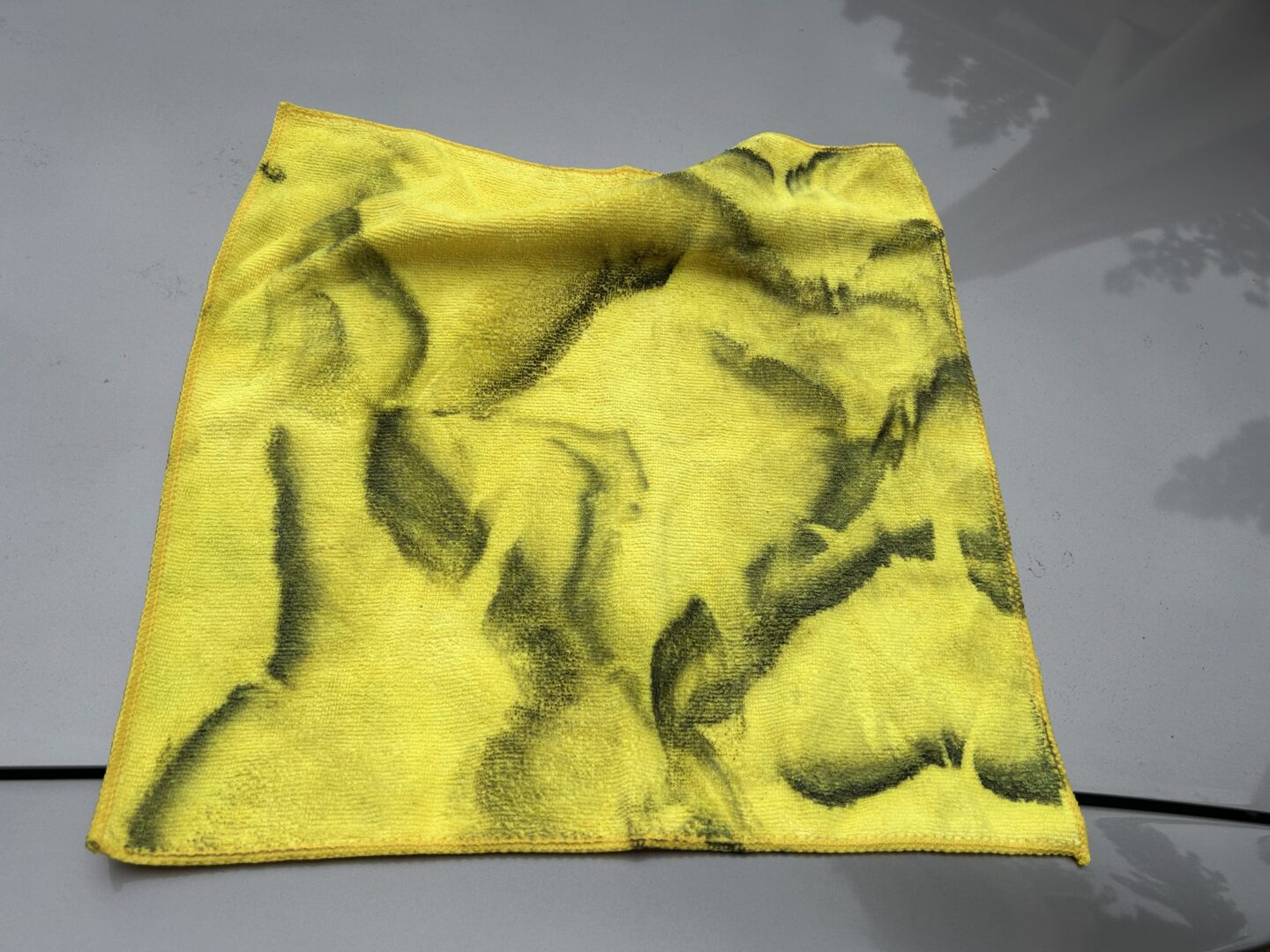
As you continue working through the car, work panel-by-panel so that you can keep track of your progress as you move along. Ensure that there is plenty of waterless wash being applied so that you are never wiping your car’s paint with a dry microfiber towel. Doing this minimizes the chance of scratching your car’s paint.
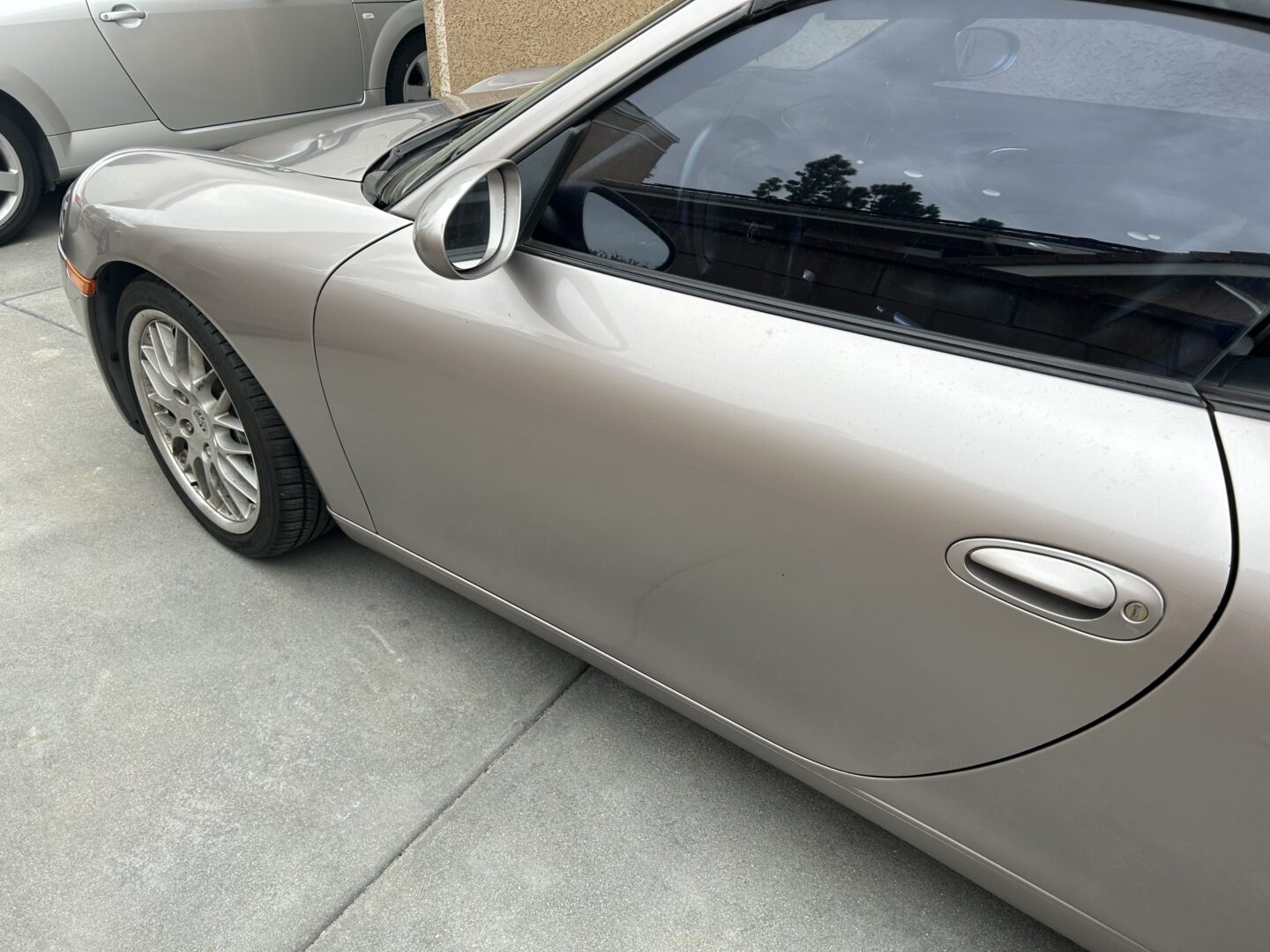
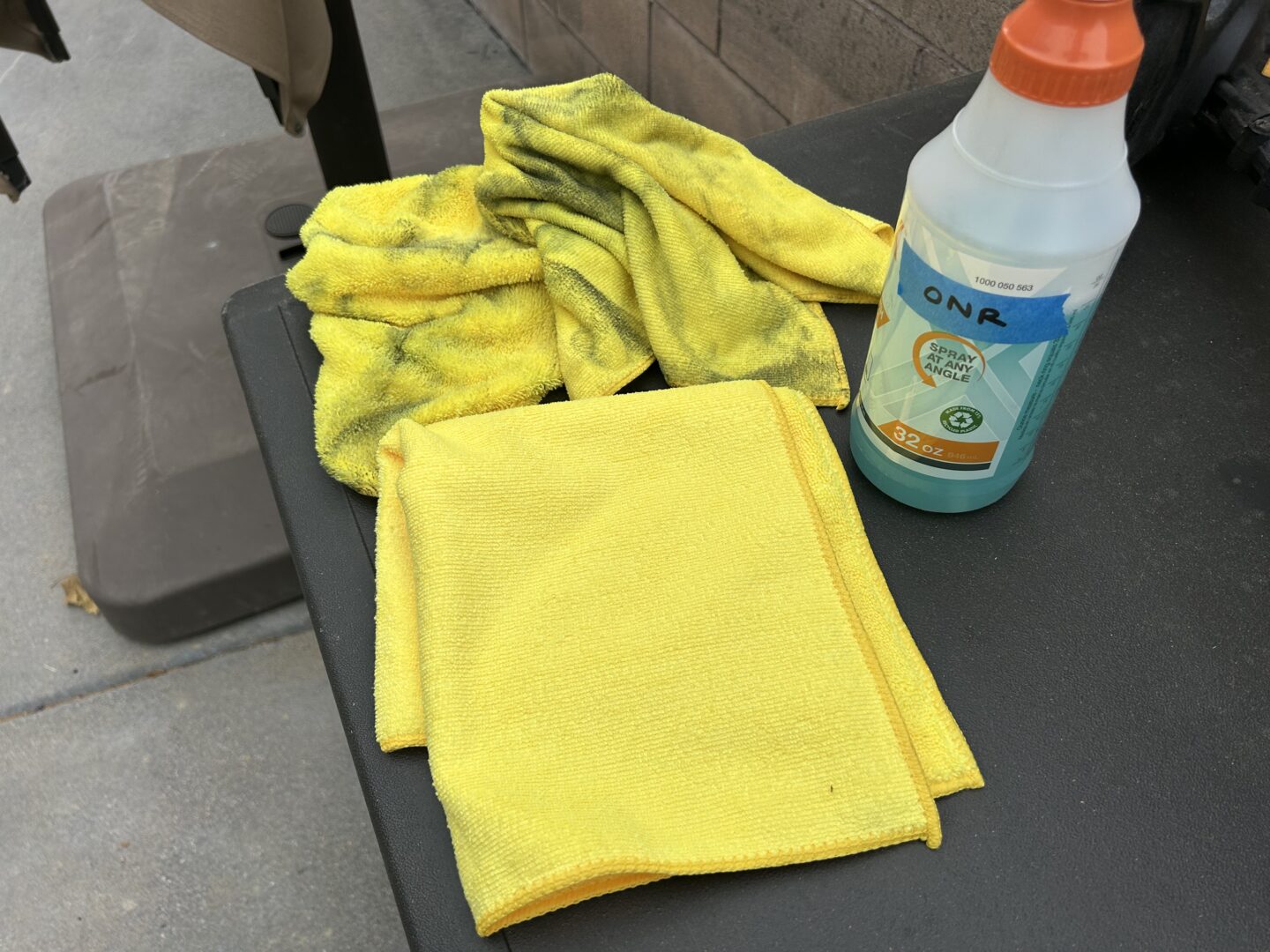
Eventually, you will run out of clean sections of your microfiber towel. This will be the time that you change it out with a new one. I usually will save my used up microfiber towels to clean the lower sections of the car like the side skirts, front bumper, and rear bumper.
If your car is not that dirty, your microfiber towels (although soiled) could still be machine-washed and re-used again. If it’s as dirty as mine, I would probably not use them again except for something like the door jambs or something that would be really dirty. Typically people are using waterless washes regularly, so the towels won’t be so dirty that they can’t be used on the car’s paint again.
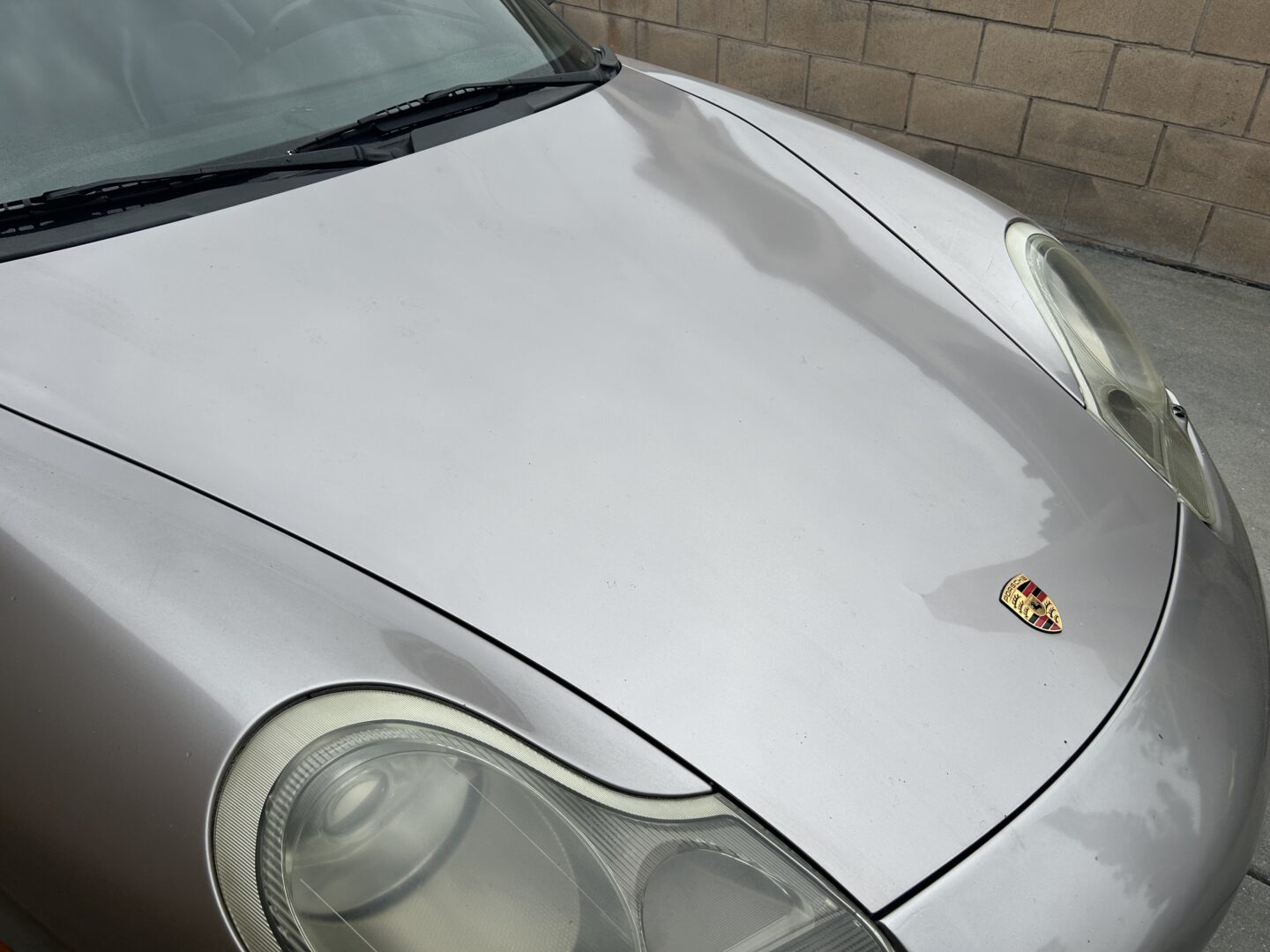
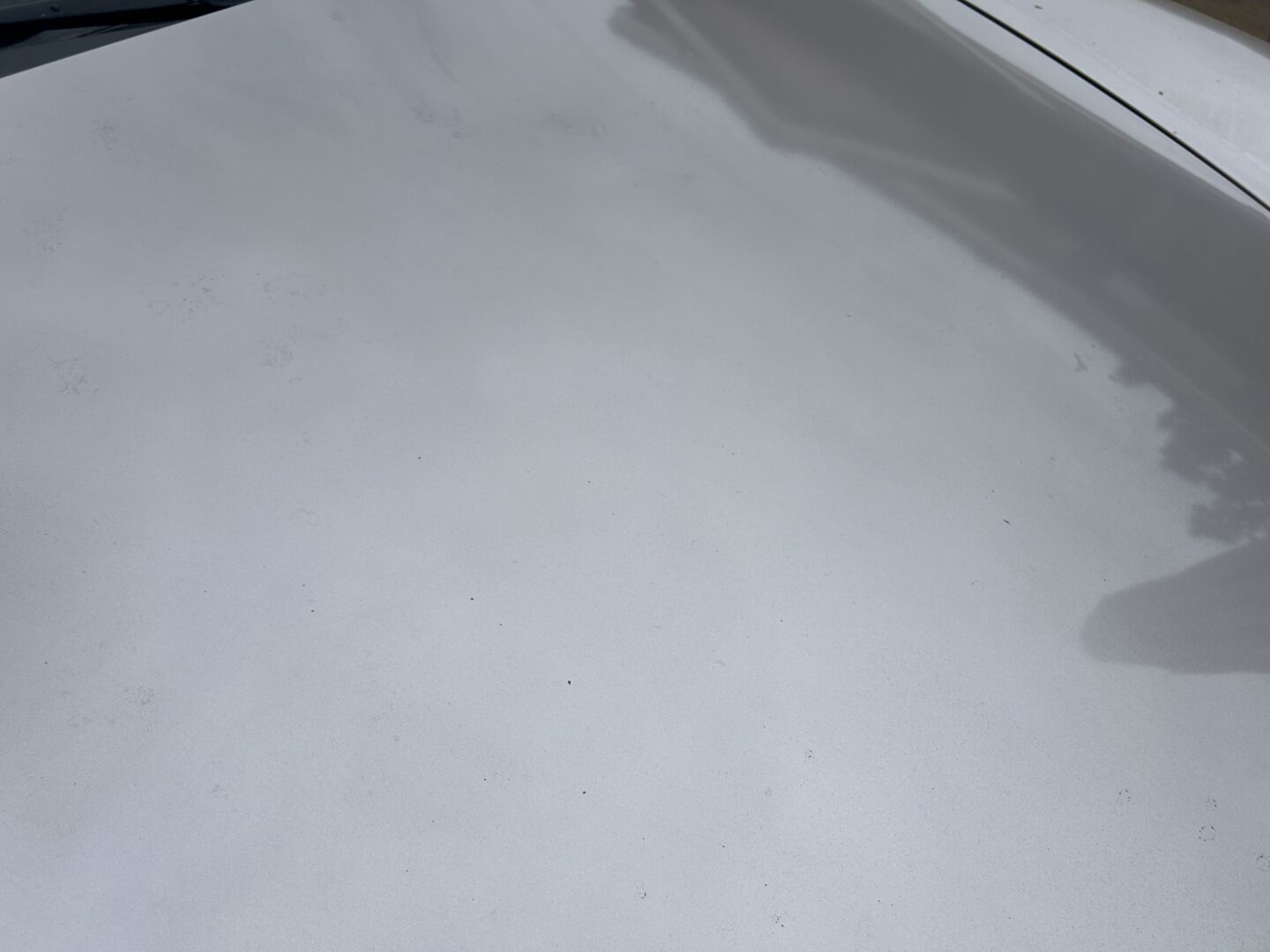
The results from a waterless wash can be pretty good, especially if it is for a maintenance wash of your vehicle. This means that you have previously done a regular car wash on your vehicle so that it is completely cleaned and are now doing regular car washes for upkeep.
Even better is if your car has been both chemically and mechanically decontaminated after a full car wash, and then an application of a wax or coating applied. This would result in your car being fully cleaned and protected so that there dirt and other contaminants have a hard time sticking to the paint. If you have done all of this, you can guarantee that a waterless car wash will be a lot easier to do for subsequent washes.
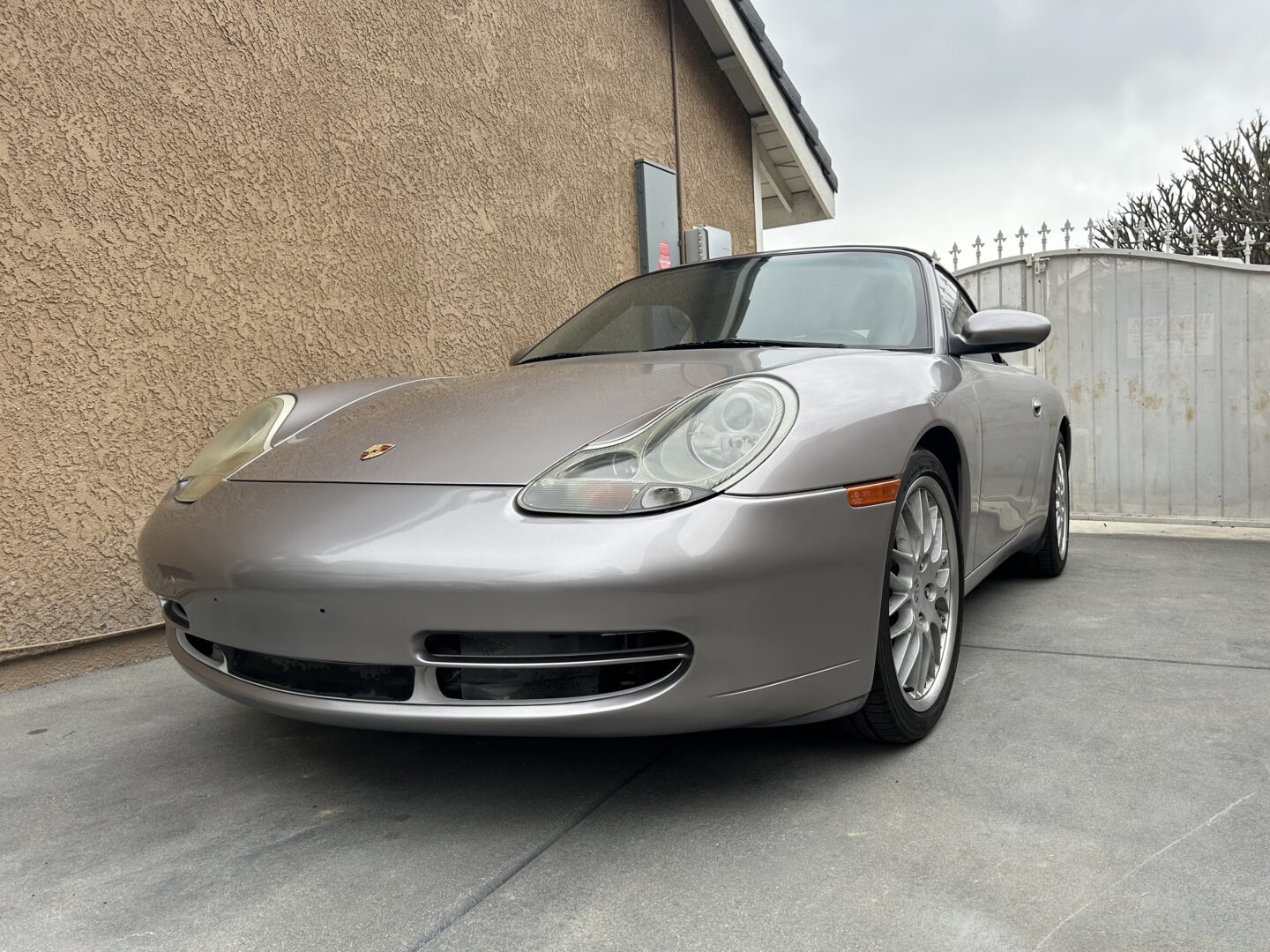
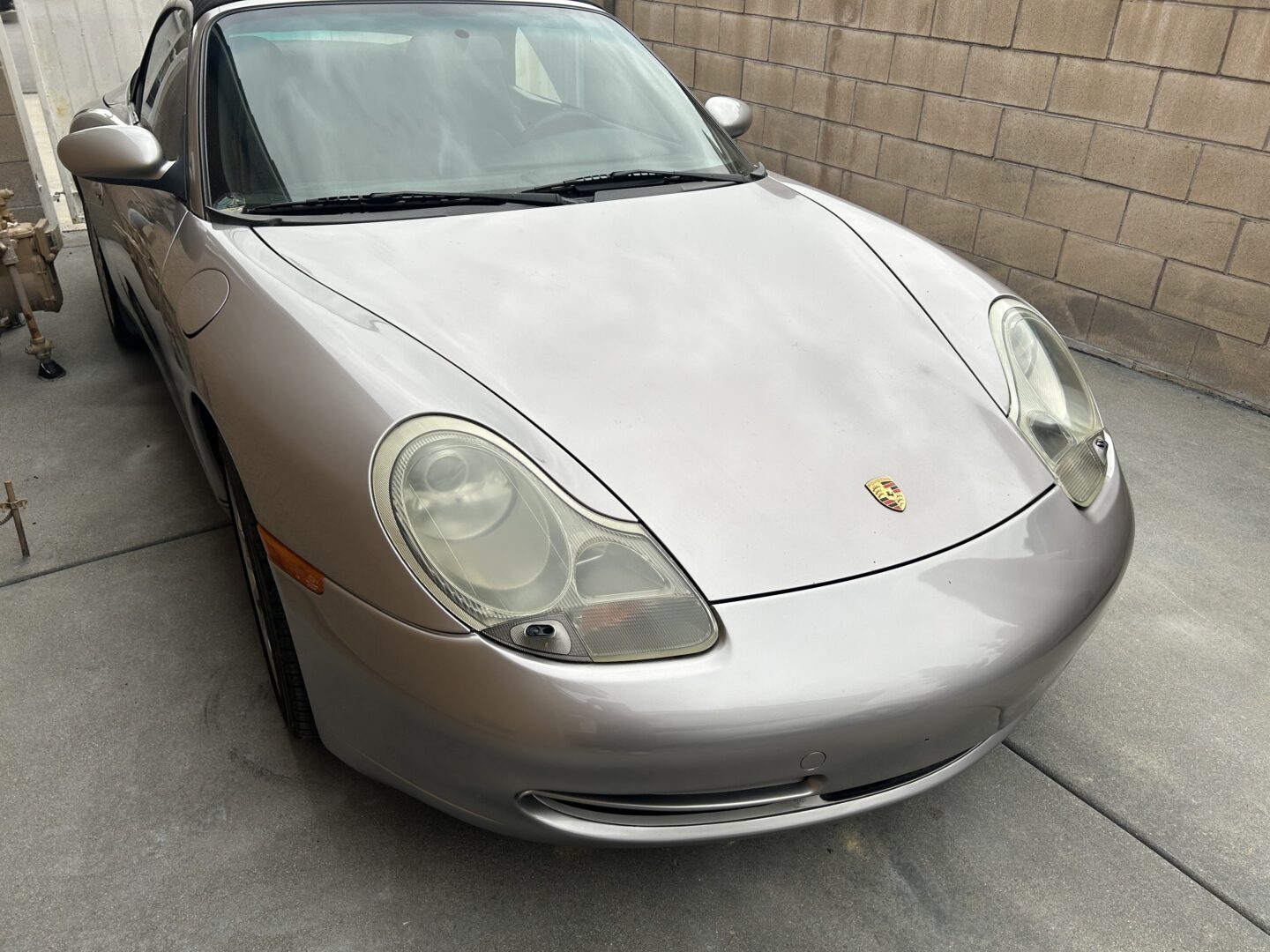
As I’ve mentioned previously, waterless washes aren’t supposed to replace a full car wash. If your car is extremely dirty or you need to remove every bit of debris on your car (such as when you are preparing the car for a wax or coating), you need a lot of water and car wash soap to minimize scratching of your car’s paint.
Waterless washes aren’t as safe as washing your car normally because you have more chances of scratching your car’s paint when you are running your microfiber towel along without all that water. So, waterless washes have their place– such as maintaining your car’s paint when you’ve already fully detailed your car. It also is good for those who have no access to running water from a hose or if you are planning to do a maintenance wash inside your garage.